Some of the best trips I’ve ever planned for clients didn’t happen during the busiest travel months.
That may sound surprising, especially when so many people assume summer is the ideal time to visit Europe or that every destination is at its best during school holidays. The truth is, timing can completely change the way you experience a place. For many travelers, especially empty nesters, pre-retirees, and retirees, traveling just outside of peak season offers a different kind of luxury. It creates room to slow down, enjoy the destination at a comfortable pace, and experience places as they’re meant to be enjoyed rather than simply checked off a list.
As a travel advisor, I’ve found that one of the most important conversations I have with clients isn’t just where they want to go. It’s when they should go.
What Is Shoulder Season Travel, and Why Do So Many Travelers Love It?
When clients ask me what “shoulder season” actually means, I tell them it’s simply the period between a destination’s busiest season and its quietest one. In much of Europe, that usually means late spring or early fall, although every destination has its own rhythm. It’s often the sweet spot where you can still enjoy beautiful weather while avoiding many of the crowds that arrive during peak travel months.
For travelers who are no longer tied to school calendars, that flexibility can open up an entirely different travel experience. You’re often rewarded with comfortable weather, fewer crowds, and a pace that feels far more relaxed. Instead of planning your trip around everyone else’s schedule, you get to plan around the kind of experience you actually want.
The weather is often more comfortable, especially if you enjoy walking through historic cities or spending full days exploring outdoors. Popular museums, restaurants, and attractions are generally easier to enjoy without long lines or packed reservations. Hotels often have more room choices, and the overall rhythm of the destination feels calmer.
Instead of spending your day navigating crowds, you have more opportunities to notice the details that make a place memorable. You linger a little longer in a neighborhood café. You strike up a conversation with a local shop owner. You wander down a side street simply because it looks interesting, not because you’re rushing to beat the next tour group.
Those quieter moments are often the ones that stay with you long after you’ve returned home.
Clients sometimes ask me if shoulder season means they’re giving something up. Honestly, I usually think it’s the opposite. Yes, you may need a light sweater in the evening, or a small attraction may close a little earlier than it does in July. In return, you gain something that’s much harder to find during peak season: the space to slow down, appreciate your surroundings, and experience a destination without constantly feeling like you’re competing with the crowds.
Giving Destinations Room to Shine
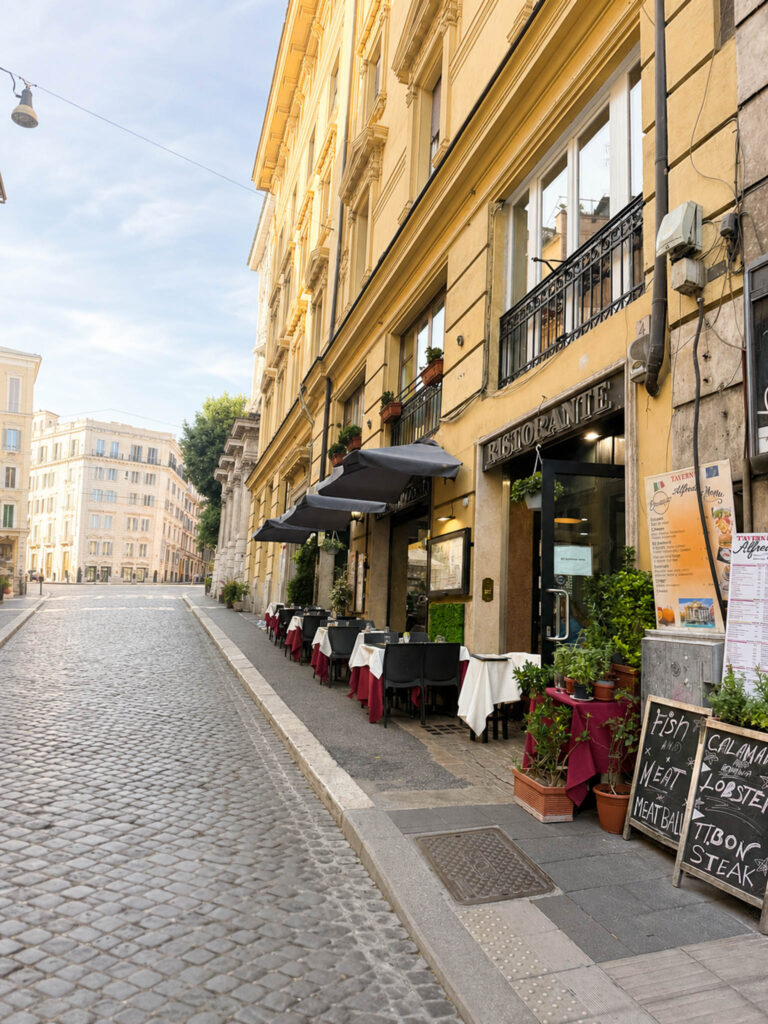
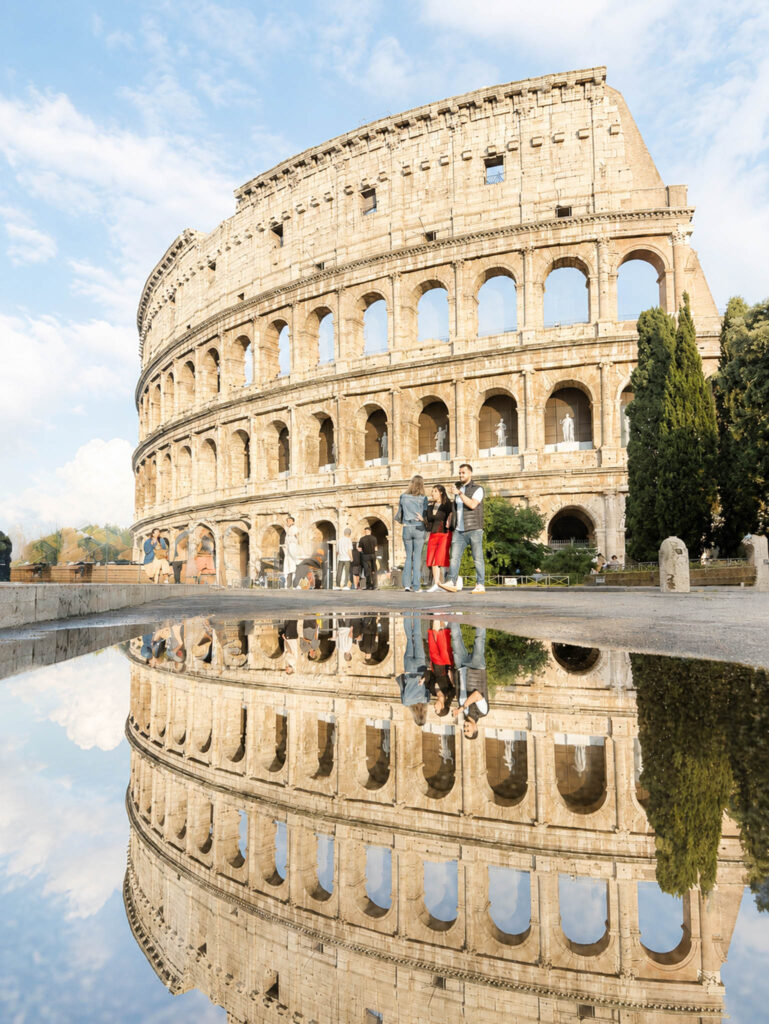
Europe is probably my favorite example. Places like Italy, France, Portugal, and many of Europe’s river cruise itineraries seem to settle into a completely different rhythm once the busiest summer weeks have passed. Cities that can feel crowded during the height of summer become much easier to enjoy when sidewalks aren’t overflowing with visitors. You can appreciate the architecture, spend more time in museums, and enjoy long dinners without feeling like every reservation has been booked months in advance.
The same is true on many river cruises. Ports tend to feel more relaxed, and daily excursions often move at a more comfortable pace. Rather than racing from one highlight to another, there’s time to absorb the scenery, enjoy conversations with fellow travelers, and appreciate why these rivers have connected communities for centuries.
Wine regions also seem to settle into a different rhythm outside of their busiest months. Vineyards become places where you can actually visit with the people pouring the wine instead of simply moving through a tasting room. Historic towns feel lived in rather than staged for visitors, and coastal communities return to the pace that attracted people there in the first place.
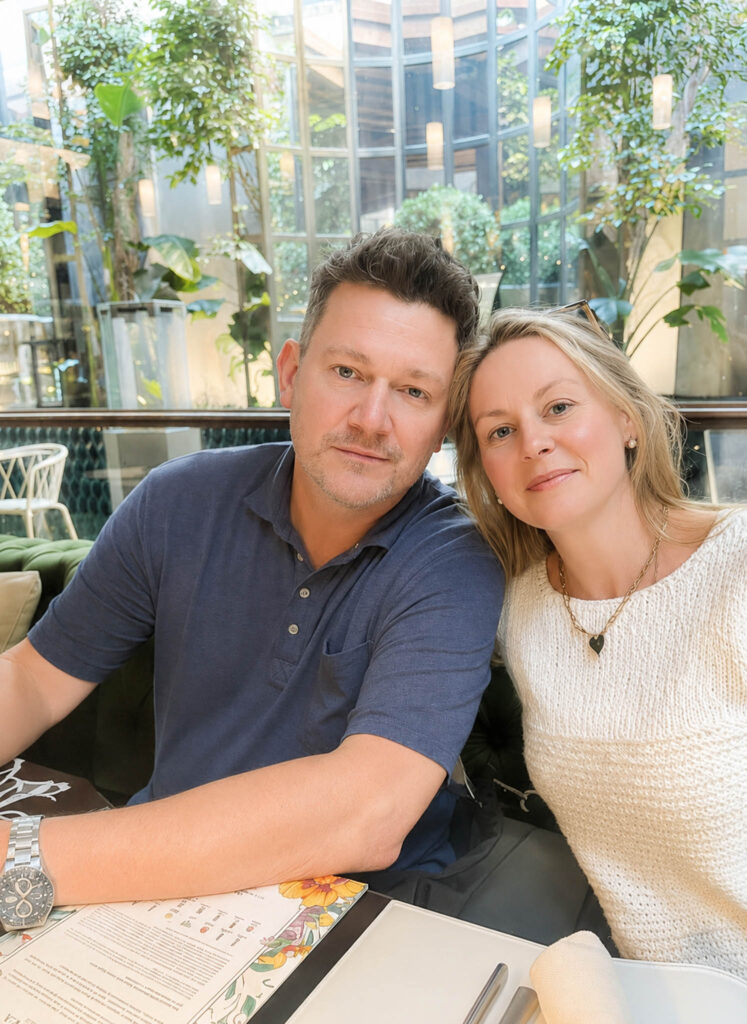
One thing Shawn and I have noticed over the years is that our favorite memories rarely come from the busiest days of a trip. On one evening in Europe, we found ourselves lingering over dinner long after the plates had been cleared, simply because there was nowhere else we needed to be. The streets were quiet, the restaurant wasn’t rushing to turn tables, and we ended up talking for hours. Looking back, I remember that evening just as vividly as any famous landmark we visited.
Those are the kinds of moments that are much harder to find when every destination is operating at full capacity.
I’ve noticed something else over the years, too. When clients come home from these trips, they rarely spend much time talking about how many sights they checked off a list. Instead, they tell me about the tiny restaurant they stumbled across on a quiet street, the vineyard owner who spent extra time sharing family stories, or the afternoon they spent wandering because they simply didn’t feel rushed. Those are the moments that become the stories they tell for years.
The Right Time Can Be Just as Important as the Right Place
One of the biggest misconceptions about travel is that selecting the destination is the most important decision.
In reality, timing can shape nearly every part of the experience.
The weather may be more pleasant in late September than in August. A river cruise that feels comfortably paced in October could feel much busier during peak summer departures. Certain festivals add incredible cultural experiences, while others can significantly increase crowds, hotel prices, and transportation challenges.
These aren’t details most travelers think about until they’re already planning, but they often have the biggest impact on how a trip feels.
This is where thoughtful planning becomes valuable. Looking at average temperatures, seasonal events, cruise schedules, flight availability, and hotel inventory together creates a much clearer picture than choosing dates based solely on a calendar opening.
Sometimes shifting a trip by only a week or two can completely change the experience.
That’s why I rarely recommend choosing your travel dates first. I’d much rather start with the kind of experience you’re hoping to have and then work backward to find the best time to make that happen. It often leads to a very different itinerary than clients expected, and almost always a better one.
I’ve had clients who initially requested the most popular travel dates, only to discover they enjoyed their vacation far more by leaving slightly earlier or later. The destination hadn’t changed. What changed was how they were able to experience it.
Luxury Isn’t Always About More
When people hear the word luxury, they often think of five-star hotels or extravagant experiences.
Those things certainly have their place, but I’ve come to believe that luxury is often much simpler than that.
Luxury is having enough space to appreciate where you are instead of feeling hurried from one attraction to the next. It’s enjoying a leisurely lunch without watching the clock. It’s walking through a beautiful city without constantly weaving through crowds. It’s having the flexibility to pause because you’ve discovered a charming bookstore, a quiet garden, or a café that wasn’t part of the original plan.
Sometimes the greatest luxury isn’t spending more money. It’s choosing the right time to travel.
If you’re beginning to think about your next vacation, don’t automatically assume the most popular travel dates are the best ones. Sometimes moving your trip by just a few weeks can completely change how a destination feels.
If you’re wondering where, or just as importantly when, to travel next, I’d love to help you find the timing that fits your travel style as well as the destination itself with a complimentary consultation call. After all, some of the best trips aren’t defined by where you go. They’re defined by how you experience the time you’re there.
Frequently Asked Questions About Shoulder Season Travel
What is shoulder season in travel?
Shoulder season is the period between a destination’s peak travel season and its quieter off-season. It often offers a wonderful balance of pleasant weather, fewer crowds, and a more relaxed pace. The exact timing depends on where you’re traveling, which is why choosing the right dates is just as important as choosing the right destination.
When is the best time to visit Europe to avoid crowds?
For many travelers, late spring and early fall are ideal. Months like May, September, and early October often provide comfortable temperatures, beautiful scenery, and fewer visitors than the busy summer season. The experience feels more relaxed while still allowing you to enjoy everything that makes Europe so special.
Does traveling during shoulder season save money?
It can, but I don’t recommend shoulder season solely for the savings. While you may find better hotel rates or airfare in some destinations, the biggest advantage is often the experience itself. You’ll usually enjoy fewer crowds, easier reservations, and a pace that lets you truly enjoy where you are.
Is shoulder season a good time for a European river cruise?
Absolutely. Spring and fall are among my favorite times to recommend European river cruises. The scenery is beautiful, ports often feel less crowded, and excursions tend to be more enjoyable when you’re not traveling during the busiest weeks of the year.
How do I know when the best time is for my trip?
Every destination has its own rhythm, and every traveler has different priorities. That’s why I start by learning what kind of experience you want before recommending travel dates. Sometimes adjusting a trip by just a week or two can make a remarkable difference in weather, crowds, and the overall feel of your vacation.
